

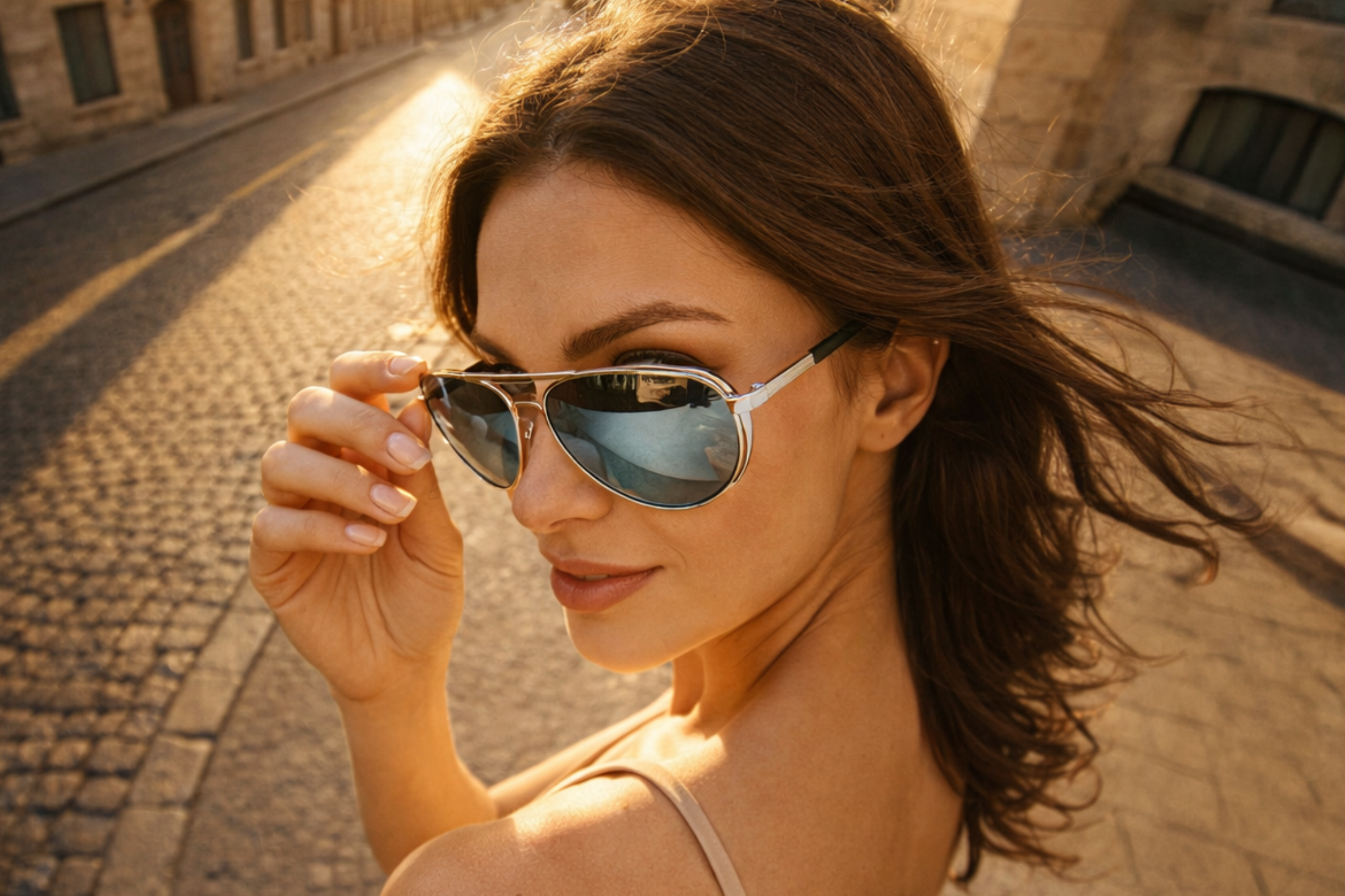
Are Polarized Lenses Worth It?

If you’ve ever stood at a sunglasses display, you’ve seen the price jump for the polarized version of the same frame. It might feel like a premium upsell, but in the world of optics, polarization isn’t a luxury—it’s a functional tool.
The real question isn’t whether polarized lenses are better (they are), but whether your lifestyle actually requires them.
What Are You Paying For?
Standard tinted sunglasses are like a volume knob for light—they turn everything down equally. Polarized lenses, on the other hand, are like an equalizer. They preserve the "good" light (color and contrast) while cutting out the "noise" (glare).
Investing in polarized sunglasses ensures your eyes work less, your vision is clearer, and your outdoor experience is more enjoyable.
The Immediate Benefits of Polarized Lenses
-
Glare Suppression: No more "white-out" on the road or water. Perfect for driving sunglasses or water activities like boating and fishing.
-
Neural Comfort: Your brain doesn’t have to work as hard to interpret images, which significantly reduces eye fatigue after long exposure to bright sunlight.
-
True Colors: Colors look deeper and more vibrant because glare is eliminated. Check out Sundaze Rays lifestyle sunglasses for options that enhance color clarity naturally.
The Lifestyle Test: Are They Worth It for You?
YES, if you are:
-
The Commuter: Driving into low sun on wet roads is dangerous. Polarized lenses, like those in Sundaze Rays polarized collection, are a legitimate safety feature.
-
The Water or Snow Enthusiast: Polarization dramatically improves visibility on glare-heavy surfaces like lakes, rivers, and snowy sidewalks. Check Sundaze Rays water-friendly styles.
-
Light Sensitive Individuals: If you suffer from migraines or eye strain, polarized lenses help keep eye muscles relaxed. Browse Sundaze Rays comfort-focused frames for lightweight and protective options.
NO (or maybe not), if you:
-
Work with Digital Screens Outdoors: Older GPS devices or some pilot instruments may be harder to see through polarized lenses. Learn more about Sundaze lens technology for digital-friendly designs.
-
High-Speed Mountain Biker: Some athletes prefer non-polarized lenses to see subtle terrain reflections. Check performance sunglasses.
-
Only Wear Shades for Fashion: If sunglasses are worn only for a short walk, the extra cost may not be worth it. Consider Sundaze fashion sunglasses for style-first frames.

The Performance Gap: Tinted vs. Polarized
| Feature | Standard Tinted | Polarized (TAC) |
|---|---|---|
| Light Reduction | Yes | Yes |
| Glare Filter | No | Yes (99% blocked) |
| Color Clarity | Muted | Vibrant |
| Eye Fatigue | Moderate | Low |
| Screen Visibility | Perfect | Can be difficult |
Check out Sundaze Rays polarized collection to see this performance in action.
The Long-Term Value
When you consider the cost-per-wear, the premium for polarization—especially with materials like TAC—is pennies per day.
-
Eye Comfort is Cumulative: Reducing squinting over time prevents headaches, protects your retina, and can minimize wrinkles around the eyes.
-
Sunglasses as Investment: Premium Sundaze Rays polarized lenses are built for long-term comfort and eye health.
The Verdict
The question isn’t whether polarized sunglasses look better on the rack. It’s whether your lifestyle exposes you to enough glare to benefit from them.
If your day involves:
-
A steering wheel or driving into sunlight,
-
Outdoor activities near water, or
-
Walking on snowy or reflective sidewalks,
then the answer is yes.
Once people switch to polarized lenses, most never go back to standard tinted sunglasses. For premium options that blend style and function, check Sundaze Rays polarized collection.



Share: